
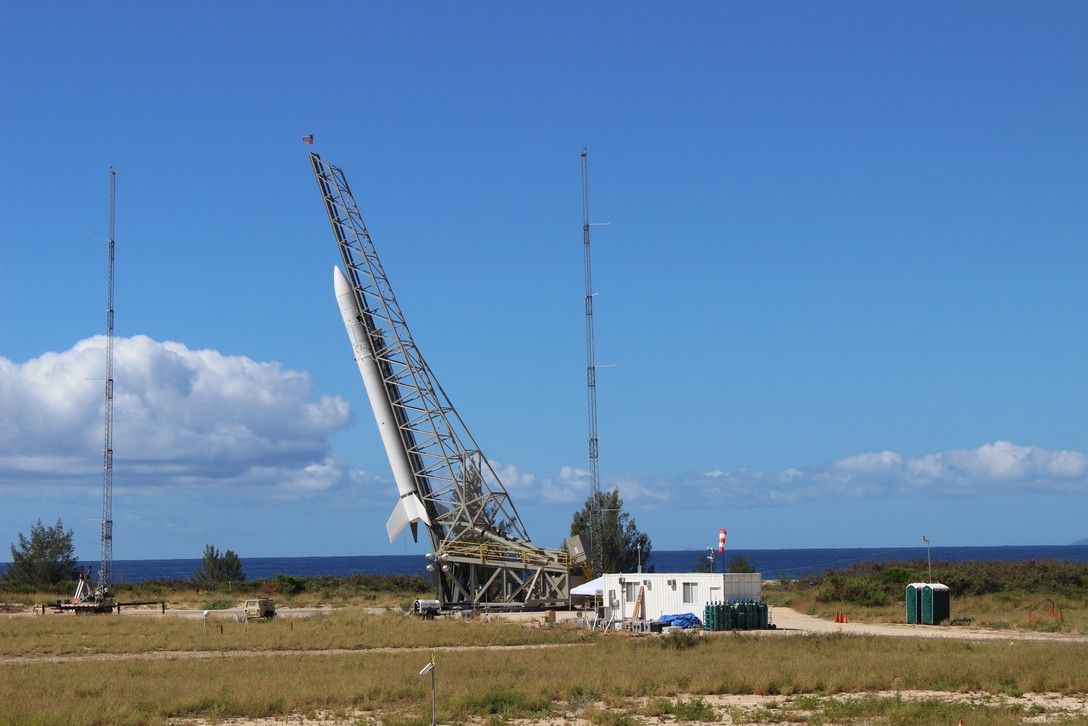
On This Day in Space: Super Strypi's Ill-Fated Debut on November 4, 2015
Space history is paved with both breathtaking triumphs and sobering setbacks. On November 4, 2015, the aerospace community witnessed a dramatic illustration of the inherent risks of rocket science when a novel, rail-launched vehicle suffered a catastrophic failure during its maiden flight.
A Promising Concept with a Unique Launch Method
On that fateful day, the United States Air Force attempted the debut launch of the Super Strypi rocket—also known as the Operational Responsive Access Nano-Projectile (ORANP). Developed to provide a low-cost, quick-response option for launching small payloads, the rocket featured a distinctive design: instead of lifting off from a traditional vertical pad, it was fired from a large inclined rail.
Liftoff took place at the Pacific Missile Range Facility on the island of Kauai, Hawaii. Tucked inside the payload fairing were 13 "baby satellites" (or CubeSats), which included experimental technology for academic institutions and government agencies.
The Mission Cut Short
Unfortunately, the innovative launch system did not go as planned. Shortly after clearing the rail, the Super Strypi rocket experienced a catastrophic anomaly during its first-stage burn. Telemetry data indicated that the vehicle began to tumble violently, forcing mission controllers to terminate the flight.
The rocket and its precious cargo of 13 miniaturized satellites plunged into the Pacific Ocean, abruptly ending a mission that had promised to revolutionize rapid, responsive access to low Earth orbit for small spacecraft.
Legacy of the Test
While the failure was a devastating blow to the teams who spent years designing the payloads and the rocket, test flights of experimental vehicles are critical for identifying engineering flaws. The data gathered during those few seconds of flight provided invaluable insights for future iterations of rapid-deployment launch systems, helping engineers better understand the complex dynamics of rail-launched orbital rockets.






0 Comments